The Budget Debate: Helpful Tool or Financial Trap?
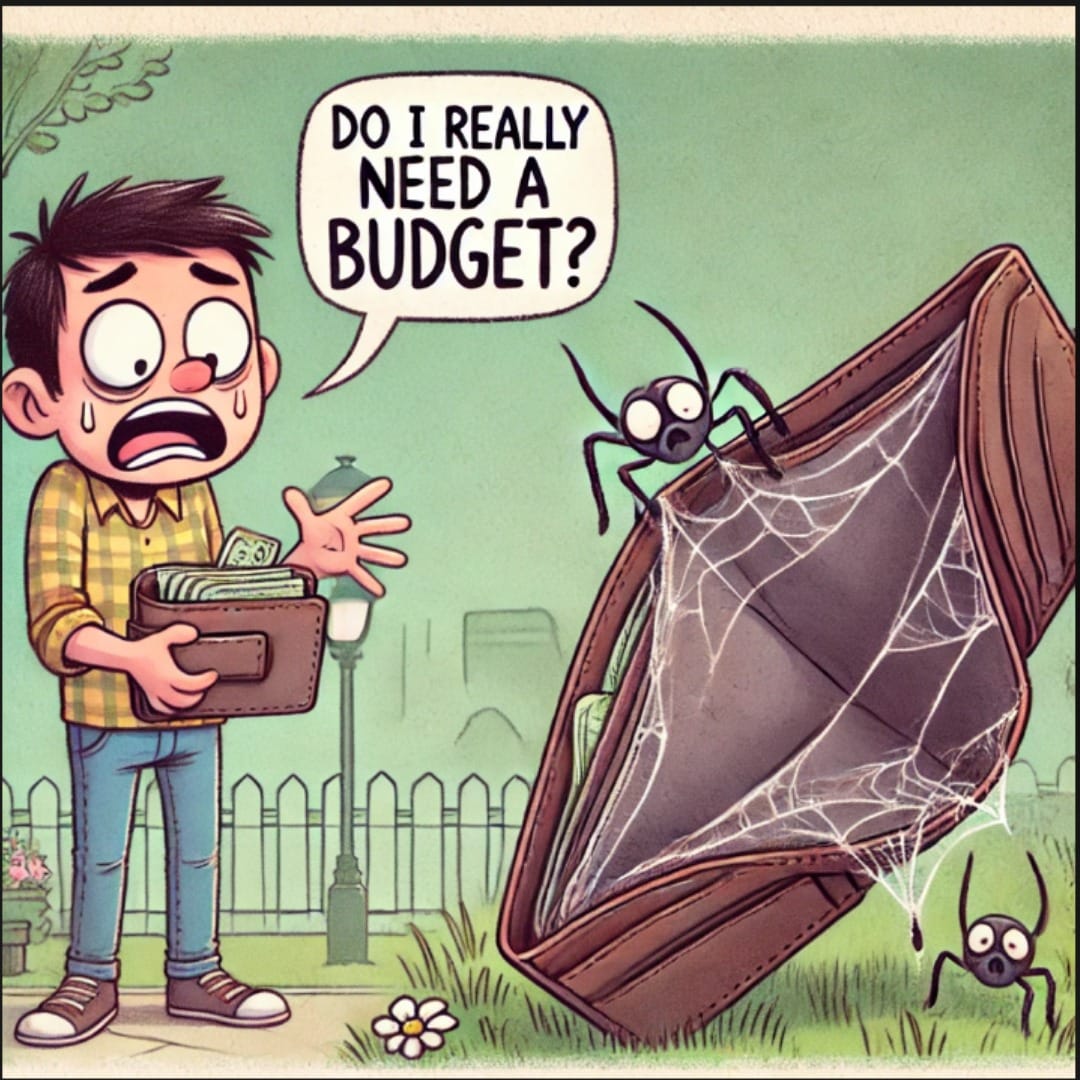
Many people trying to improve their finances eventually ask:
“Do I really need a budget?”
For some, budgets feel like structure.
For others, they feel like restriction.
And for many, they don’t last very long.
But the real issue is not budgeting itself.
It’s that most people assume they already understand how they make financial decisions.
And that assumption is often where the problem begins.
The part most people don’t notice
Every day, money decisions are being made.
Small ones.
Quick ones.
Automatic ones.
Most don’t feel significant in the moment.
But they repeat.
And repetition creates patterns.
Some are planned.
Some are tracked.
Many still repeat.
Why this is hard to see on your own
When people reflect on their finances, they usually explain outcomes through effort:
“I need more discipline.”
“I need more money.”
“I need a better budget.”
These are understandable conclusions.
But they don’t always match the pattern underneath.
Because intention and behaviour are not always the same thing.
And most people are far more confident in their intentions than in the patterns their decisions actually create.
The gap most people miss
Most people believe they understand their own financial behaviour.
But very few have actually seen it clearly laid out in a structured way.
And that difference matters more than most realise.
Because what feels like random financial behaviour is often a repeating pattern that only becomes visible when viewed properly.
The Budget Blueprint – Do I Really Need a Budget?
Interactive Online Session
This session is for people who use budgets, don’t use budgets, or are somewhere in between—and want to better understand the gap between how they think they manage money and how it actually plays out in practice.
Inside the session, you will explore:
8 everyday spending habits that quietly influence financial outcomes
How priorities show up in real financial decisions (not just planned ones)
Why budgeting often doesn’t reflect real behaviour in practice
Simple ways to improve financial consistency in real conditions
More importantly, this is not about learning more about money.
It is about recognizing patterns in your own financial behaviour that are often not obvious from the inside and learning how to turn that awareness into more consistent and intentional financial decisions.
Why this matters
Most people don’t struggle because they lack financial knowledge.
They struggle because they are trying to manage behaviour they haven’t fully seen clearly yet.
And once those patterns become visible, even small decisions start to make more sense.
Your Next Steps
If this resonates, the next step is simple:
Book your place in the Budget Blueprint session.
Because for many people, the shift doesn’t come from more information.
It comes from finally seeing their own financial behaviour clearly enough to recognize what has actually been driving their decisions.